
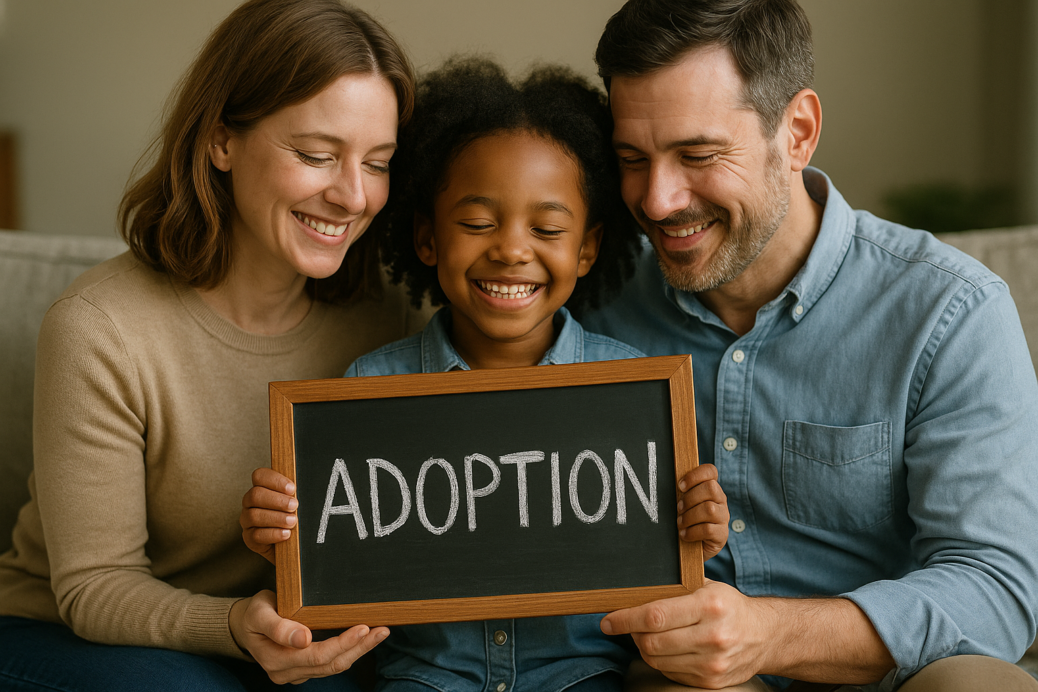
**Adoption: A Beautiful Journey of Transformation and Involvement**
Adoption is a beautiful journey that not only transforms the life of the child but also enriches the lives of the families involved. However, one integral aspect of this process that often gets overlooked is the importance of family consent in adoption. For anyone considering adopting a child, understanding the implications of family consent is crucial to ensure that the transition is smooth and harmonious.
Family consent in adoption means that immediate and extended family members are aware of, and agree with, the decision to adopt. It’s not just a matter of legal formalities; it’s about creating an environment where everyone feels included in the adoption journey. Here are some essential points to consider when navigating family consent in adoption.
**Open Communication is Key**
Discussing your intention to adopt with family members can help alleviate concerns and foster a supportive atmosphere. Family members may have questions or reservations, and addressing them openly can facilitate a stronger understanding of the decision. It is essential to provide them with information regarding the adoption process, the type of child you are interested in adopting, and the benefits of adoption for the family.
**Emotional Readiness Matters**
It’s important to assess whether your family members are emotionally prepared to accept and welcome an adopted child into their lives. This may involve educating them on the realities and challenges that come with adoption, including the need for patience, understanding, and love. Sometimes, family members might have misconceptions about adoption, and educating them can help break down those barriers.
**Involve Family Members in the Process**
Encouraging family participation in adoption events, classes, or meetings with social workers can help them feel included in the journey. When family members understand and accept the reasons for adoption and the unique qualities of the child, they are more likely to support and embrace the new addition to the family.
**Consider the Child’s Feelings**
It’s also important to take the feelings of the adopted child into account when involving family in the conversation. The child may need different levels of support from family members as they adapt to their new environment. Preparing your family to interact positively with the child can create a nurturing atmosphere where the child feels safe and loved. Highlights from your conversations can also help reinforce the bond between the child and family.
**Encourage Thoughtful Dialogue**
Lastly, understand that consent does not mean blind agreement. Family members may have valid concerns or suggestions, and navigating those thoughtfully can strengthen family ties. Creating an action plan that addresses family feedback while respecting your commitment to adoption can lead to a more unified family approach.
**Conclusion**
In conclusion, the consent of family in adoption is not just a legal formality; it involves emotional, social, and educational dimensions that can significantly affect the success of the adoption process. By fostering open communication, ensuring emotional preparedness, encouraging involvement, and practicing mutual respect, families can come together to create a loving environment for the adopted child. Embrace the support of your family, and remember that their love and acceptance can lay a strong foundation for your child’s future.
For more information on family consent in adoption and the journey ahead, visit [SAPNEY](https://sapney.org.in/). Together, we can help change lives through the beauty of adoption.
#Adoption #FamilyConsent #AdoptionJourney #FamilySupport #SAPNEY #AdoptionAwareness #BuildingFamilies #LoveKnowsNoBounds